




Changes to foreign ownership laws mean overseas individuals and entities can now enjoy the fruits of the Kingdom’s property boom
Saudi Arabia is a country on a mission. Less than five years remains until the culmination of its Vision 2030 plan, aimed at modernising and diversifying the economy away from a reliance on oil. The programme has already targeted widescale urban expansion and development, plus associated infrastructure projects, in key cities such as Riyadh, Jeddah, Madinah and Makkah.
Now non-Saudis will soon be able to buy into the Kingdom’s vision. The new Law of Real Estate Ownership by Non-Saudis, coming into effect in January 2026, makes it possible for foreign individuals, companies and investment funds to acquire property and rights in designated geographic zones, including Madinah and Makkah.
“The ownership reform is a watershed moment,” says Hazem Ben-Gacem, Founder and Chief Executive of investment platform BlueFive Capital. He recently took a stake in Sidra Capital, a sharia-compliant asset manager that specialises in private assets. “It unlocks liquidity, introduces transparency and accelerates timelines on major infrastructure projects. It is also directly tied to Saudi’s ambition to raise $80bn in private tourism investment by 2030, which means that global capital is not optional – it’s required.”
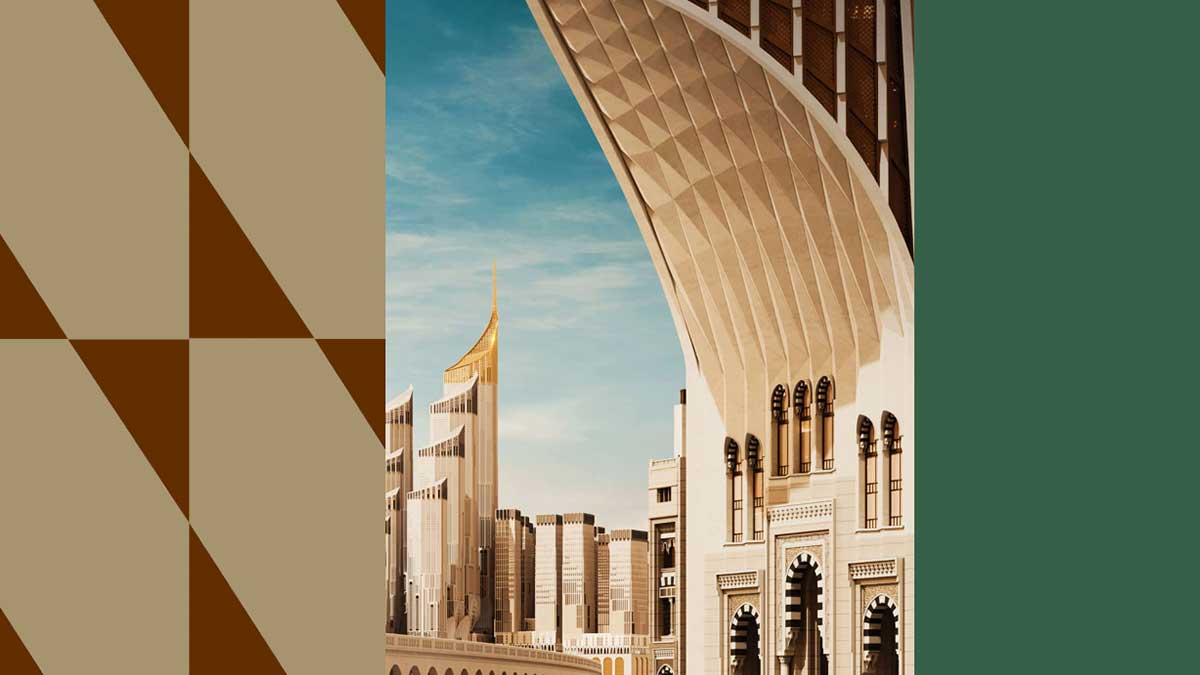
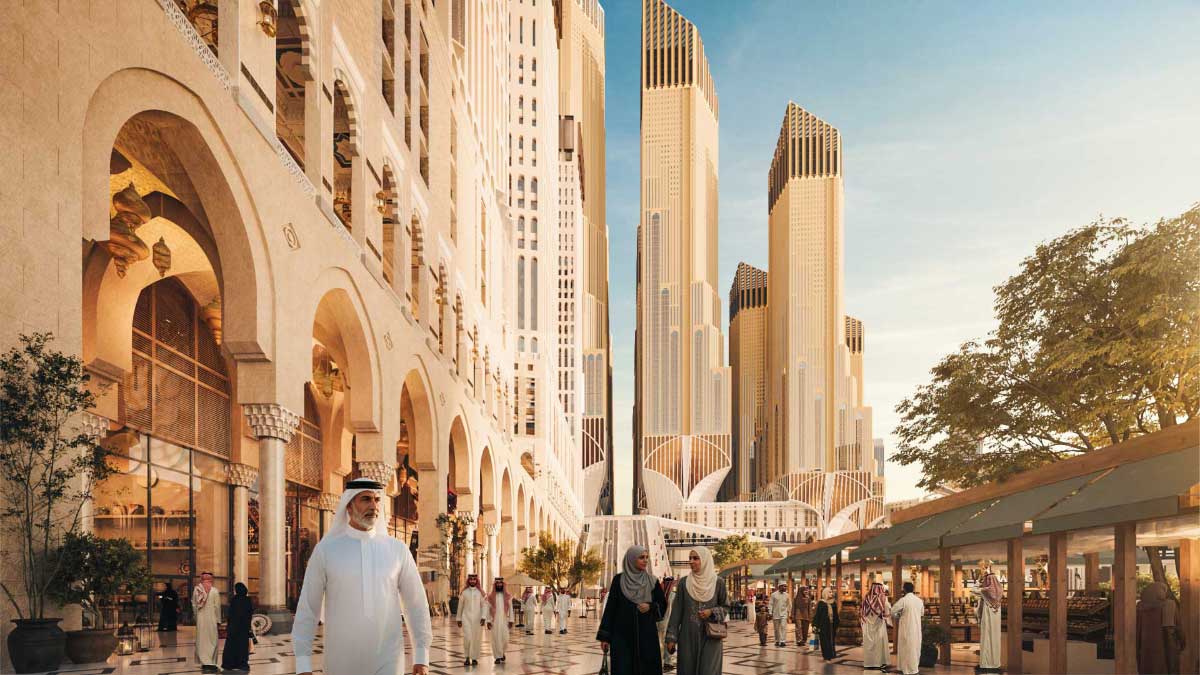
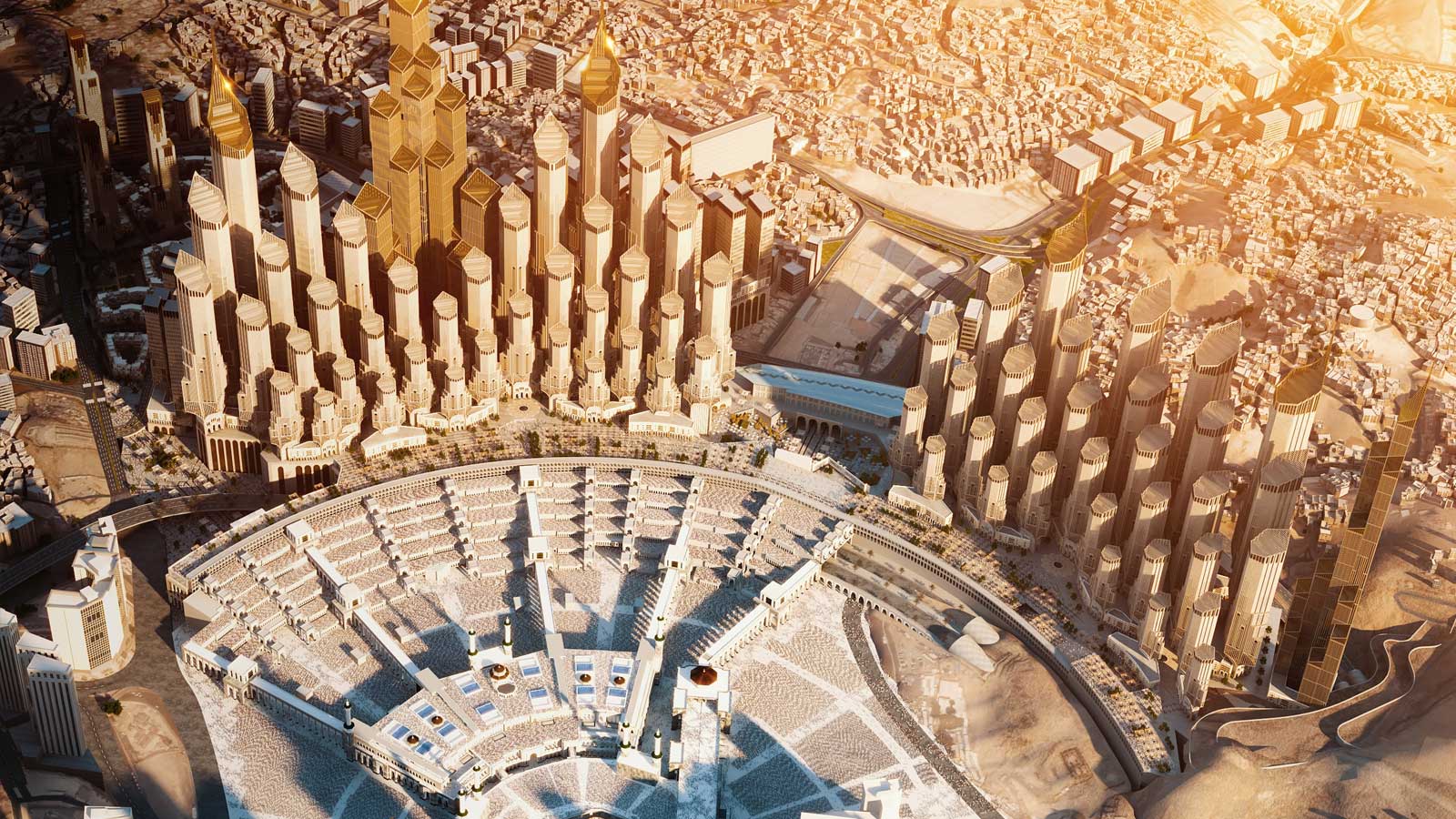
The regulatory shift is already shaping the way development is being approached across the Kingdom, including within the Holy City of Makkah. The recently announced King Salman Gate is a landmark mixed-use destination spanning a 12mn sq/m gross floor area site adjacent to the Holy Mosque, AlMasjid AlHaram. With a planned completion date of 2036, Muslims from all over the world will be able to invest and live in the Holy City.
Keys to the Kingdom
The Kingdom is primed for change. More than 255 projects valued at $1.7tn are under construction. In 2030, it is hosting the World Expo; in 2034, the FIFA World Cup. This is already generating a great deal of activity in the property market. According to Grand View Research, the country’s real estate market generated a revenue of $132.3bn in 2024 with an expected 7.5 per cent CAGR to 2030.
The 2024 Premium Residency programme allowed investors, entrepreneurs and skilled professionals to live and work in Saudi Arabia without a local sponsor. The Law of Real Estate Ownership goes further. “The reform appeals to several major investor groups,” believes Ben-Gacem. “First, institutional investors, who now have a legally defined structure to gain exposure to the KSA. Second, regional family offices and sovereign-linked investors, which can participate through co-investment and platform plays. Third, international hospitality brands and mixed-use developers, attracted by the targeted increase in tourism.”
Ian Sinclair, Head of Programmes, Projects & Development Services at Knight Frank, Saudi Arabia, has lived in the Middle East for 13 years and worked in Riyadh for a decade. “There’s been a lot of change,” he says. “You can get a tourist visa online in 15 minutes now, which never used to be possible. It’s a positive place to live, and this ruling is a step change. You can look at Dubai as the model, but they want to go beyond that.” Dubai’s rulers green-lit foreign freehold ownership in 2002, transforming it into a global property investment hub.
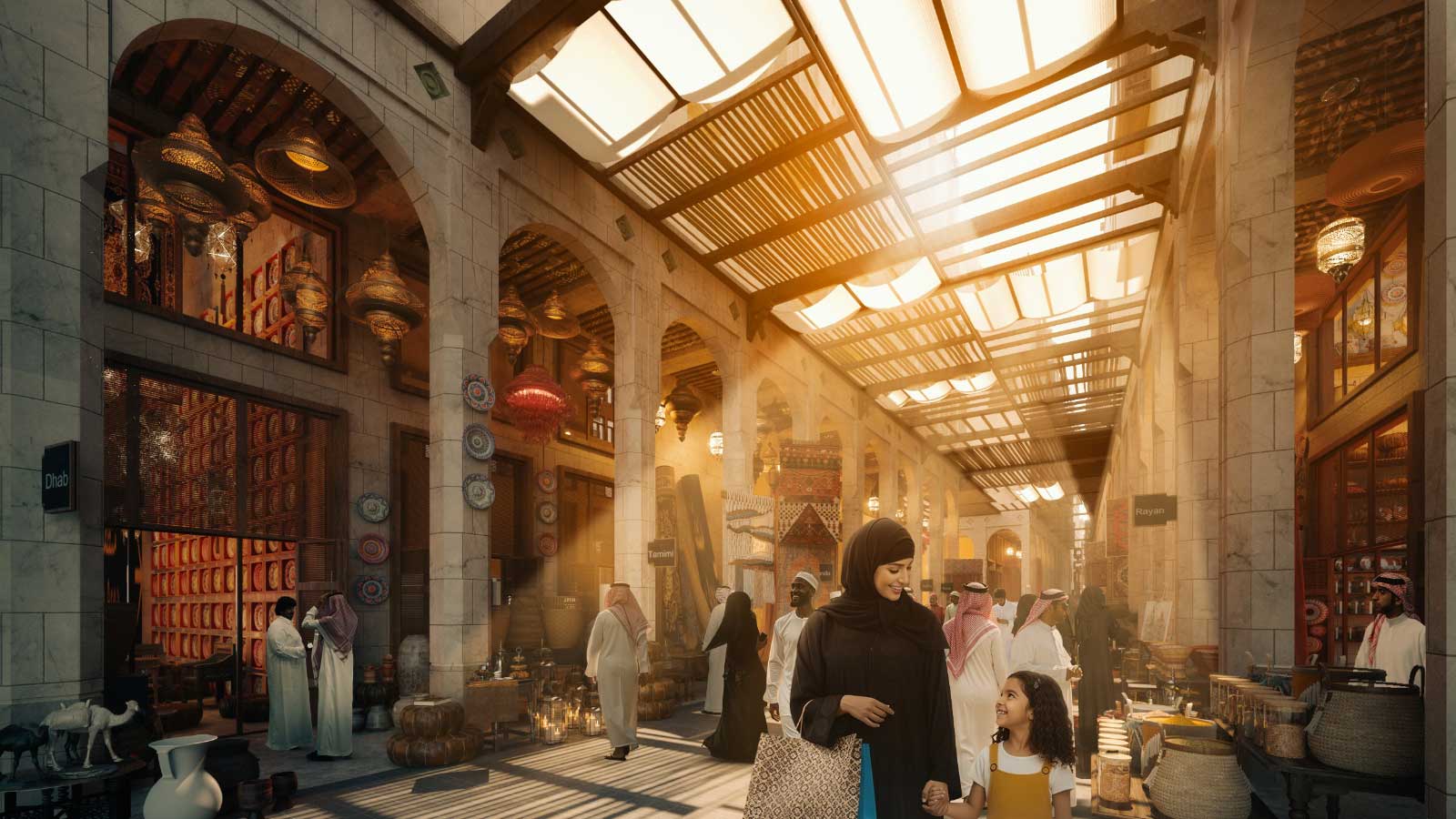
House buying in Islam’s holiest city
Knight Frank’s Destination Saudi 2024 report polled 500 Muslim property investors from around the world. It suggested there is high demand for real estate in Makkah and Madinah, with total potential investment from those surveyed valued at almost $2bn. The commercial real estate market in Saudi Arabia presents an opportunity-rich landscape,” it concluded, with residential transactions in the Kingdom rising 12 per cent year-on-year in the third quarter of 2024, and total sales value increasing 25 per cent across the same period.
There are some technical ownership caveats in Makkah, its sacred status making it a special case but, given its projected expansion – with 30mn Umrah pilgrims expected annually by 2030 – it is positioning itself as a highly attractive prospect.
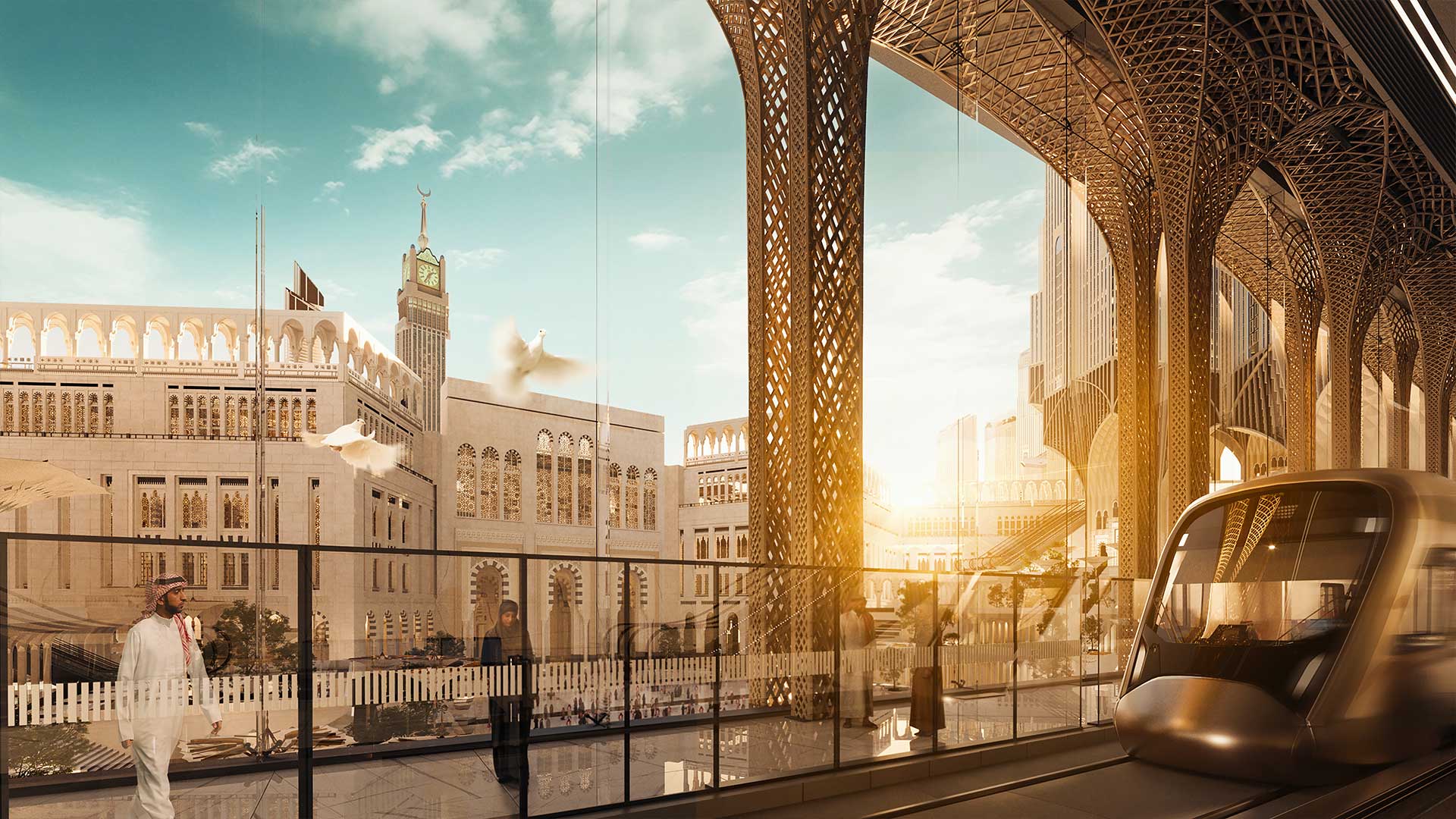
Against this backdrop, King Salman Gate is expected to add around 50,000 residential units, including 11,000 branded luxury apartments, as well as up to 16,000 hotel rooms, alongside commercial buildings with parking and improved public transport links. The master developer, RUA AlHaram AlMakki, a PIF company, estimates the project will create 300,000 new jobs and add SAR 480bn to the Kingdom’s GDP. Ben-Gacem says: “For an investor, Makkah and Madinah represent a 'unicorn market' that's almost impossible to find anywhere else in the world. The appeal boils down to two unique factors: demand and structural undersupply.
“The government isn't simply hoping for growth, it is engineering it,” he continues. “The narrative for investors is no longer just about ‘faith-based infrastructure’. It's about building ‘gateway infrastructure’ for the two largest tourism segments: one driven by faith, the other by global curiosity. This dual-demand model makes the investment case for the holy cities one of the most unique and resilient in the world.”
Vision 2030 and its associated construction programmes are rewriting Saudi Arabia’s future. Redefining laws around foreign ownership will mean that global investors can also become part of the story.