




Makkah’s rapid urban expansion has prompted officials to move to protect its built heritage. Developers and architects must now balance tradition with the necessities of modern construction
The origins of Makkah are believed to lie at the sacred Zamzam Well, where nomadic settlers pitched their tents around the life-giving spring. The water still flows, but the settlement has grown beyond recognition to accommodate Muslims arriving from all over the world.
The Holy Kaaba remains the focal point but, as the mosque has expanded, so too has the metropolis around it, in response to the needs of the pilgrims of today. Construction plans are aligned with the Kingdom of Saudi Arabia’s economic diversification programme, Vision 2030.
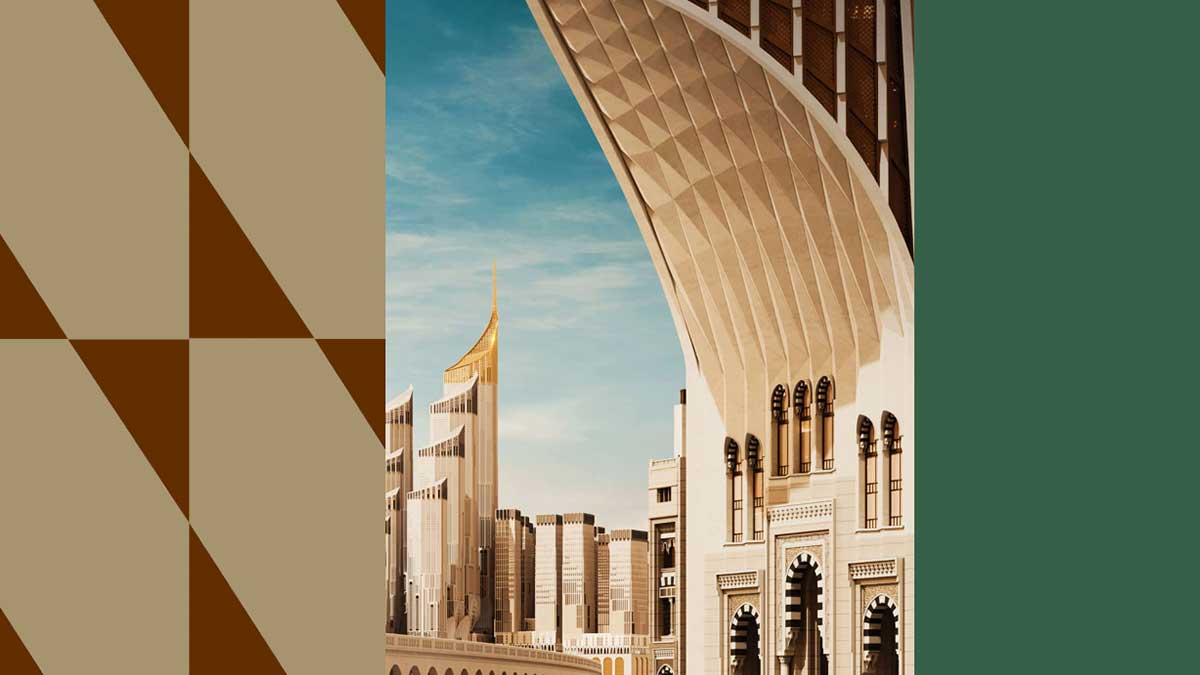
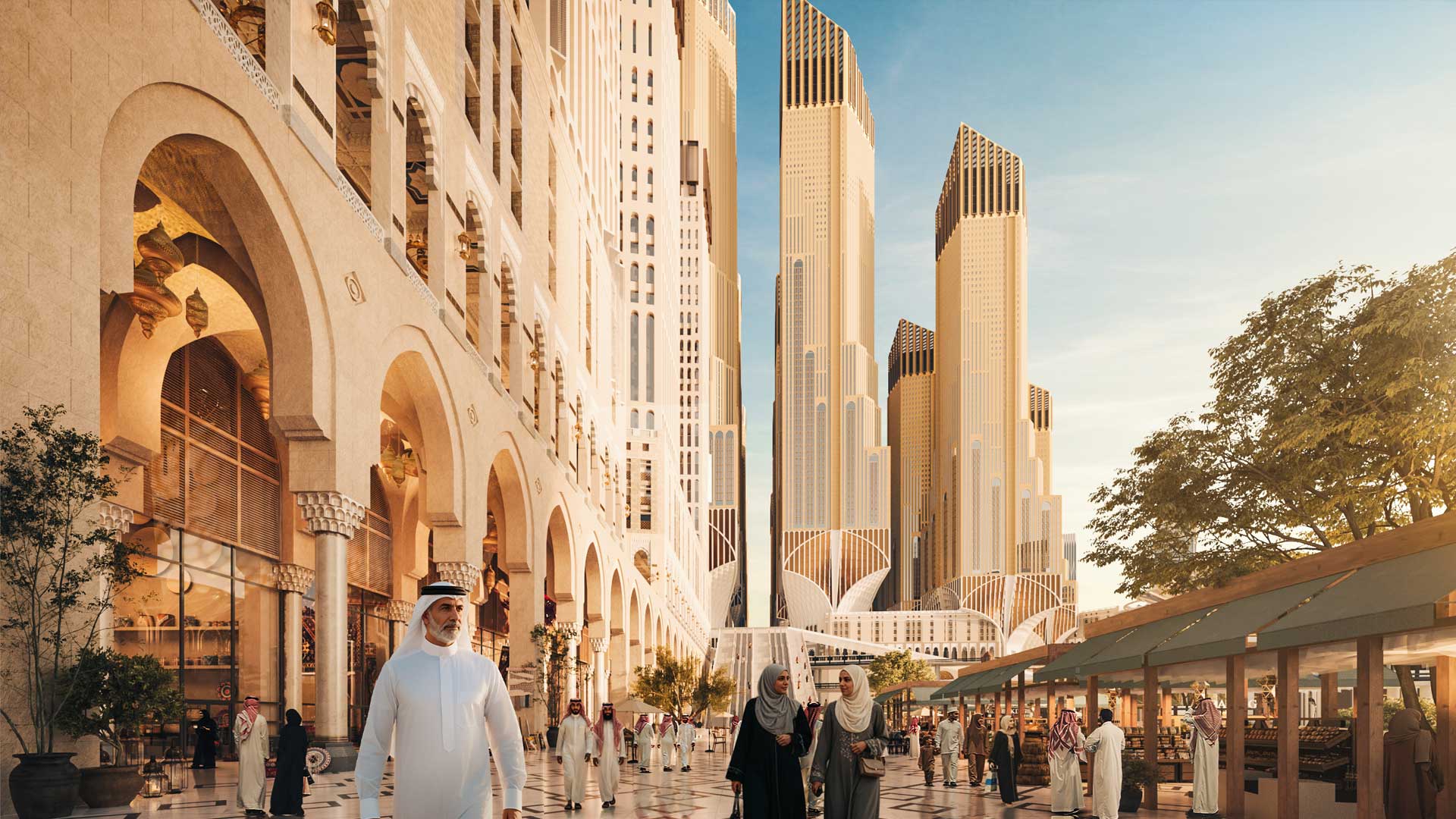
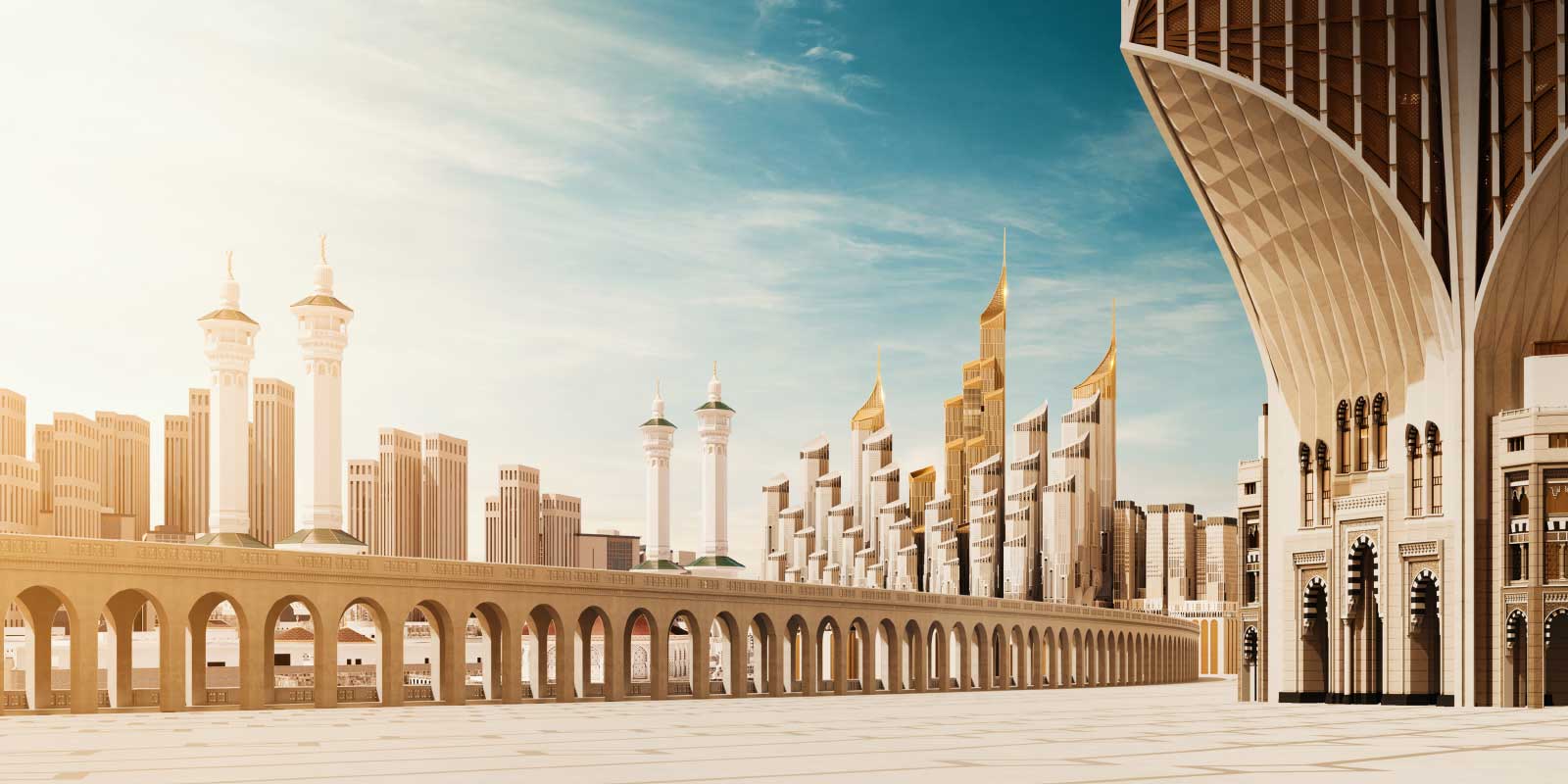
The next addition to the city’s landscape will be the newly announced King Salman Gate, a major mixed-use development covering a gross floor area of 12mn sq/m adjacent to the AlMasjid AlHaram. Led by the master developer RUA AlHaram AlMakki, a PIF company, it has a completion date of 2036 and draws inspiration from the Holy City’s rich architectural heritage.
“Makkah’s identity as the heart of Islam has always defined its urban and architectural form,” says Dr Mohammed Mashary Alnaim, Associate Professor, Senior Architectural Designer and heritage expert at the University of Hail. “The city’s built environment grew from the rhythms of pilgrimage, movement, congregation, hospitality and ritual.” Historically, he explains, its organic layout reflected the hierarchy between sacred and domestic space. “Courtyards, shaded passageways and minarets coexisted as symbols of both faith and community.”
Sands of change
Against this background has come increasing unease that the Holy City’s character is being eroded, and now the government has taken action. In May 2025, the Royal Commission for Makkah City and Holy Sites (RCMC) launched the Makkah and Holy Sites Architecture initiative, aimed at preserving the city's architectural heritage and its status as a cultural and historical hub. At the same time, the King Salman Charter for Architecture and Urbanism announced the Saudi Architecture Characters Map, aimed at reviving and preserving 19 traditional local architectural styles.
Many historic cities face similar conundrums, but Makkah is unique because of its spiritual symbolism. “Makkah’s expansion should not be seen as an impossible challenge, but rather as a compelling catalyst for reimagining conservation,” says Professor Ashraf M Salama, Head of the School of Architecture and Built Environment at Northumbria University. “The critical success factor is establishing a conservation economy in which heritage becomes integral to the pilgrimage experience, rather than incidental to it. This requires viewing Makkah's cultural landscape as a living entity that must evolve to remain authentic.”
Developers, planners and architects, both domestic and foreign, will need to decipher the detail in the edicts and adapt their strategies. The Holy City’s built history has been shaped across millennia: the challenge is to preserve traditional Islamic aesthetics and Hejazi architecture styles through innovative and sustainable design solutions that will showcase legacy architecture while also assembling a modernising vision that satisfies local needs and respects cultural sensibilities.
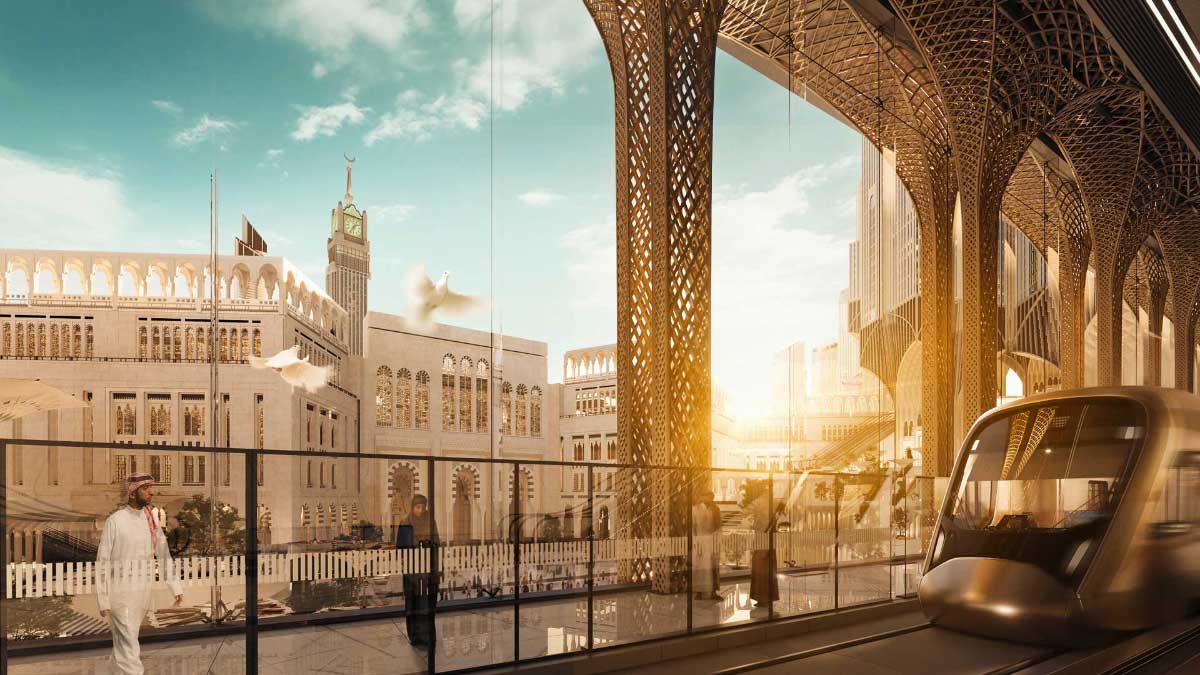
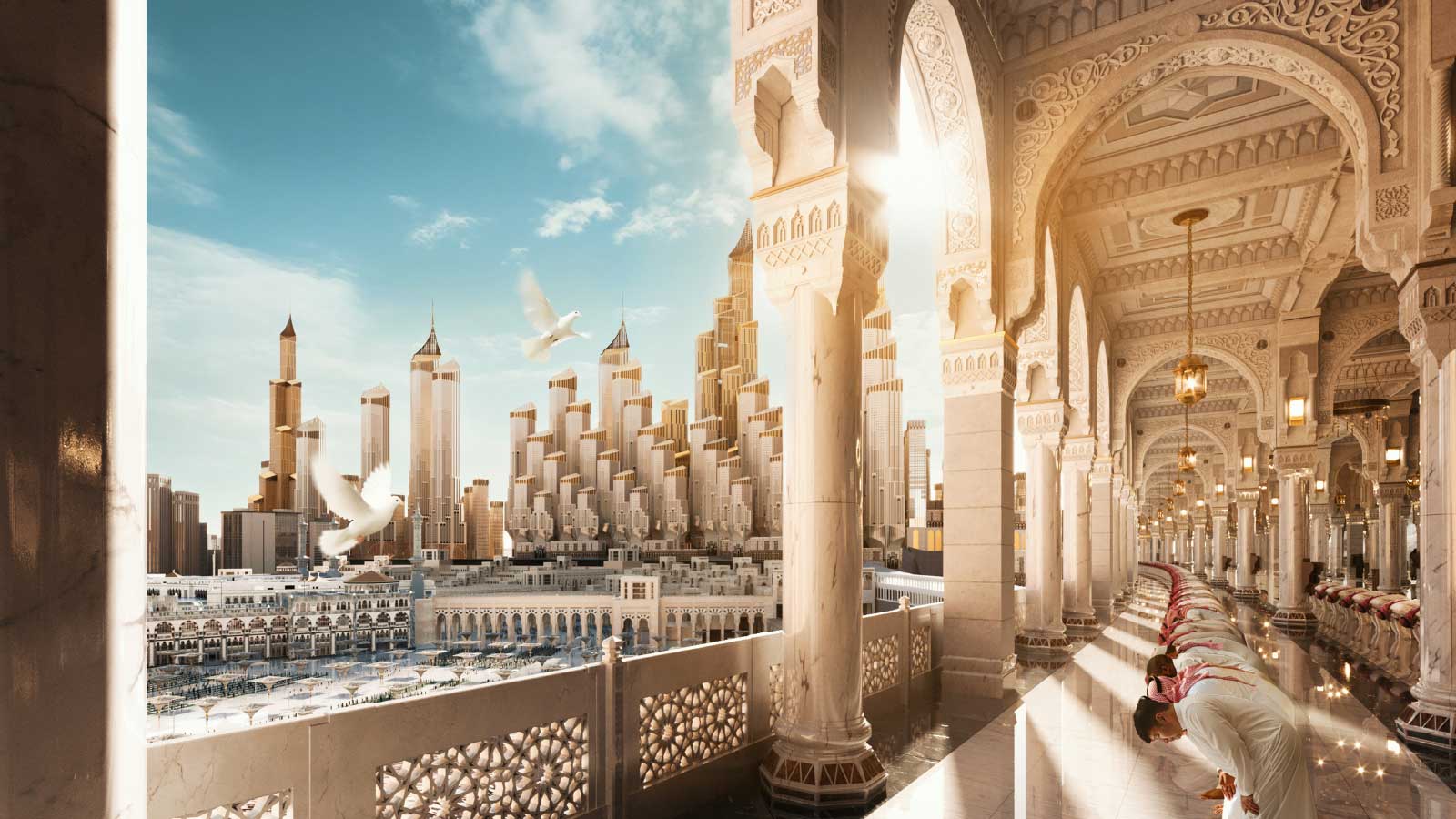
This thinking is guiding the new King Salman Gate destination, which places a notable emphasis on heritage preservation. The project is expected to provide a mix of residential, hospitality and retail units, and capacity for more than 900,000 prayer spaces, all integrated with public transportation. The design takes inspiration from AlMasjid AlHaram, contributing to the revival of modern architectural design in Makkah. It promises to blend traditional Islamic aesthetics with innovative urban planning. Around 19,000 sq/m of cultural sites are also expected to be restored, allowing pilgrims to experience the city’s rich history more fully.
It’s a delicate balance, and a difficult one to strike, particularly for non-natives to the city. “Culture is more intangible in Saudi Arabia, compared with that in the West, where the built environment is part of identity,” says Aylin Orbasli, Professor of Architectural and Urban Heritage, Oxford Brookes University. “For that reason, it’s really important that overseas businesses work with local architects, people who are Muslims, because I don't think they necessarily understand the value sets, or how the Hajj is performed and the subtle meanings behind it. Most pilgrims have been saving all their lives for this experience. They are looking for a profound experience. There is the spiritual dimension, but the other half of it is practical.” she says.
Avoiding stylistic cut and paste
Architecture has a symbolic and practical role in shaping communal identity by reflecting its values and beliefs. As such, it needs to be part of a continuous, structured narrative. In the Middle East it can be found in places such as mosques, markets, courtyards, homes and the pockets of space around them that serve the rituals and daily lives of residents. These are often functional, but have symbolic value, too.
Simply replicating the past or tacking on nods to design features is likely to fail without an appreciation of their context and role. “In Makkah these new developments have a much larger footprint than traditional Saudi homes, but it’s not simply a stylistic question,” says Orbasli. “You can’t just rely on a computer program to do it for you. There needs to be a real understanding of the nature of these new buildings, what their deeper character is, how you might scale up but still have space for interaction.”
Traditional architecture in the city cannot simply be reduced to stylistic character, says Alnaim. A considered approach is required, he says: “Designers should begin by asking why certain forms existed, not simply how they looked. A courtyard, for example, mediated climate and social interaction; a narrow lane created intimacy and shade.” By designing with these intentions, rather than copying their appearances, contemporary projects can achieve a sense of rootedness and meaning.
The new guidelines are timely and, while there is scope for creative interpretation, the takeaway is that architects and designers need to be much more sympathetic to Makkah’s unique status.